Welcome to Sisters
Where Three Peaks Meet The Western Town
A small Oregon town with an 1880s downtown, the Three Sisters Wilderness at its back door, and a calendar measured in rodeos, quilts, and folk songs.
Read The Guide

A Central Oregon Dispatch
Start With The Mountains.
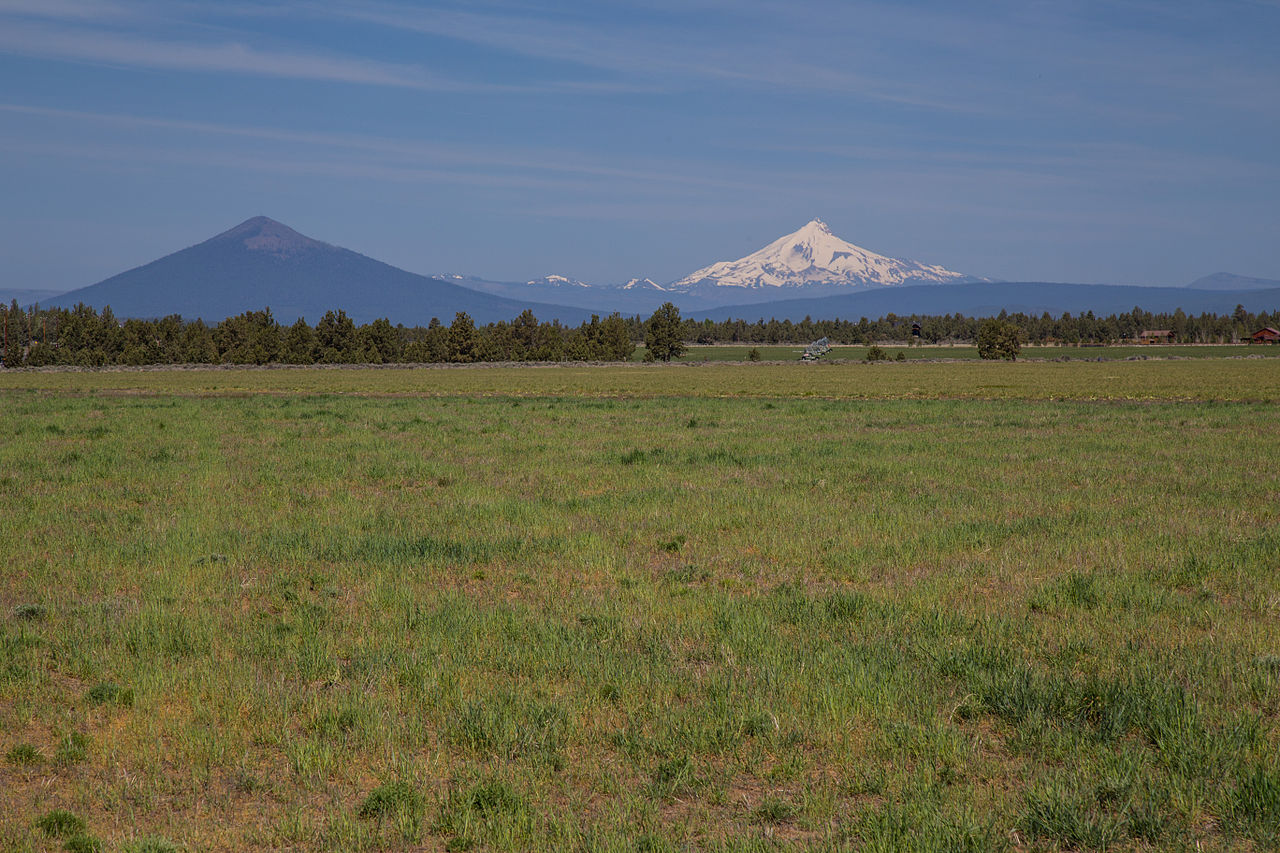
Stand anywhere on Cascade Avenue and look west: Faith, Hope, and Charity — the three volcanic peaks the town is named for — stack up across the horizon. Black Butte rises to the north like a perfect cinder cone. The Metolius River starts cold from a spring in the trees twenty minutes away. This is the town that decided, somewhere in the 1970s, to keep its boardwalks and false-front buildings instead of trading them for strip malls. The decision held.
This guide is for the people who came through Sisters on a road trip and started doing the math: small downtown, big mountains, real seasons, real community. Whether you’re planning a long weekend or a permanent move, the honest version of Sisters is what we wrote down here.

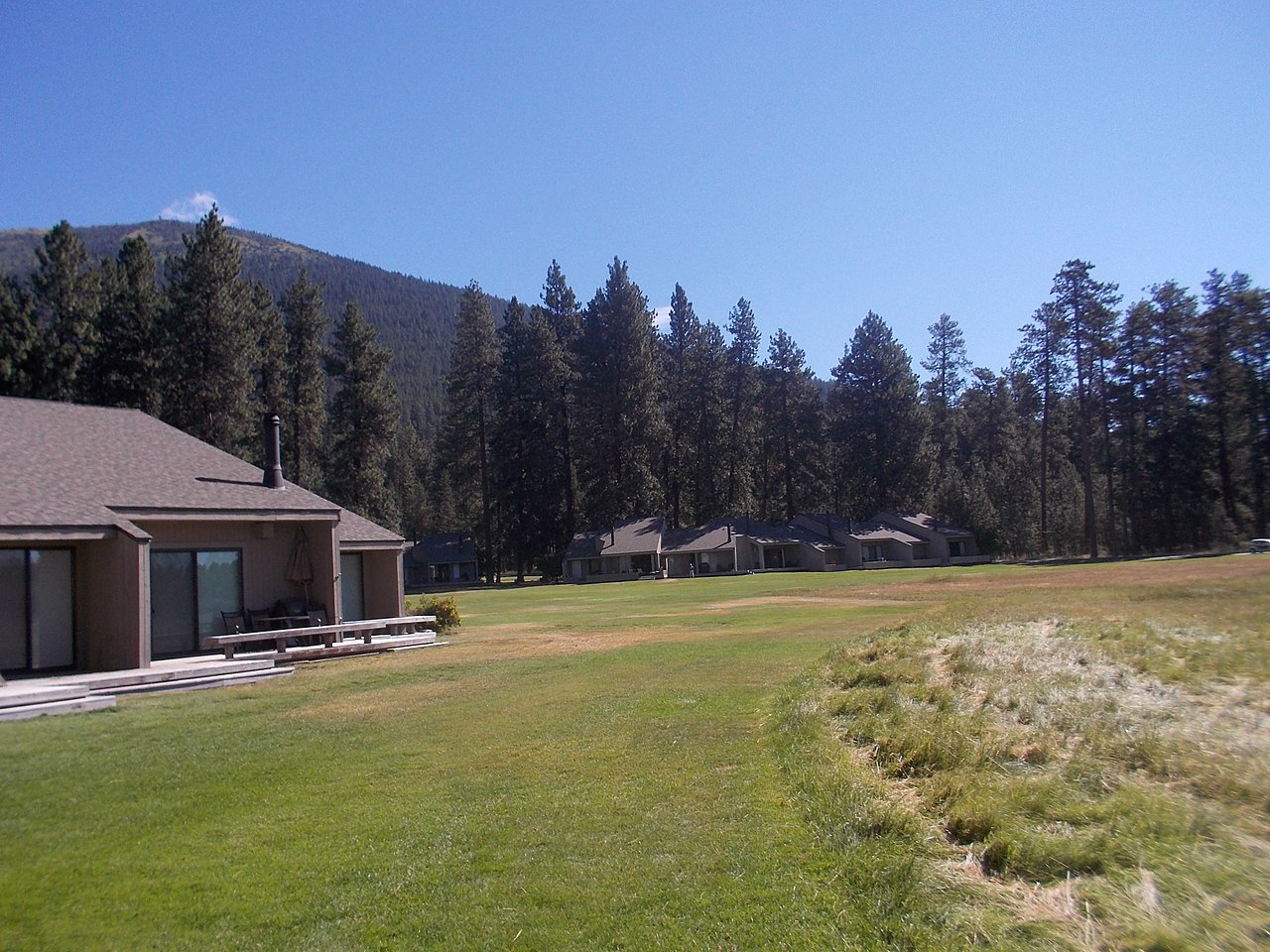
The Metolius near Camp Sherman.
Adventure
Trails, rivers & mountains
Black Butte at sunrise. The Metolius before breakfast. Peterson Ridge in the long evening light. The outside is the point.
Culture
Quilts, folk songs & western roots
The world’s largest outdoor quilt show, a folk festival on seven stages, and a rodeo that has run every June since 1940.
Community
Small town, real neighbors
A town of 3,800 where the grocery store run is also a conversation. Tree-lighting the day after Thanksgiving. Bleachers full on Friday nights.
What To Do In Sisters
Twelve Ways To Spend A Day Here
The outdoor and small-town experiences visitors come to Sisters for — hover a card for the how, where, and when.
Four Seasons of Living
A Year in Sisters

Summer
Long Light
Patios open early on Cascade Avenue. The Rodeo, the Quilt Show, and music in Creekside Park stack up across June and July. Trailheads fill by 9; locals are up and out by 7.

Autumn
Aspen & Larch
Aspen Lakes turns yellow, larches light up the upper passes, and the Folk Festival wraps the season in September. The Sisters Harvest Faire fills downtown one Saturday in October.

Winter
Blue Sky Powder
Hoodoo opens, the Christmas tree goes up the Friday after Thanksgiving, and snowshoe trails appear ten minutes from town. Sixteen inches of snow on average — not buried, just dressed up.

Spring
Runoff & Bloom
Peterson Ridge dries out by April. The Metolius runs strong and cold. Highway 242 stays closed until late June — but the silence on that road by bike, before it opens to cars, is the locals’ best-kept secret.
Common Questions
What People Ask Before Moving to Sisters.
The honest answers we wish we’d had when we first started showing buyers around Sisters.
Is Sisters, Oregon a good place to live?
For the right person, yes. Sisters gives you a small Western-themed town of roughly 3,800 people at 3,182 feet of elevation, with the Three Sisters Wilderness, Metolius River, and Black Butte all within 20 minutes of your driveway. The downtown is walkable, the school district is well-regarded, and the calendar is anchored by three signature events — the Sisters Rodeo in June, the Outdoor Quilt Show in July, and the Folk Festival in September. The trade-offs: housing is expensive relative to local wages, there is no hospital in town (St. Charles in Bend is the closest, 25 minutes away), and the job market is narrow outside of tourism, trades, and the school district. Sisters works well for remote workers, retirees, and families who value a tight-knit small-town feel and don’t mind driving to Bend or Redmond for big-box errands.
What is the cost of living in Sisters, Oregon?
Sisters runs roughly 12% above the U.S. average and about 22% above the Oregon average, with housing driving most of the gap. The median home price sits in the mid-$700,000s — more than 70% above the Oregon median, and above neighboring Bend on a per-square-foot basis for in-town properties. Land in the surrounding neighborhoods like Tollgate, Crossroads, and Aspen Lakes runs higher still. Groceries and gas track Central Oregon norms, a touch above the national average because most goods come over the Cascades. Oregon has no sales tax, but state income tax is 8.75–9.9% for most working households, and Deschutes County property tax effectively runs 0.7–1.1% of real market value. Insurance is trending up due to wildfire risk; firewise landscaping is increasingly expected by carriers.
What are Sisters winters really like?
Sisters winters are colder than Bend’s but sunnier than the Willamette Valley’s. In town you’ll see about 16 inches of snow per year, December–February highs in the high 30s to low 40s, and overnight lows that regularly dip into the low 20s. Snow comes and goes — storms drop a few inches, sun melts most of it within a few days, and another system follows. You will use a shovel, but you are not buried. The big factor is elevation: drive 15 minutes west on Highway 242 (when it’s open) or up to Hoodoo and you are in real mountain snow. Most locals run all-weather tires; if you commute to Hoodoo or over the passes, plan on dedicated snow tires and chains in the trunk.
Is Sisters too crowded now?
Sisters is busier than it was a decade ago, but it is still a town of roughly 3,800 residents. The crowding shows up in summer — Quilt Show weekend, Folk Festival weekend, and any sunny Saturday in July or August will fill the three downtown blocks, Highway 20 will back up at the McKinney Butte light, and the Proxy Falls trailhead can fill by 9 a.m. Outside of those windows the town is quiet: a Tuesday morning in March on the Peterson Ridge Trail still feels like a place locals have to themselves. The pattern most longtime Sisters residents adopt is the same one that works in Bend — go early, go off-season, or go further from the trailhead than most visitors will.
How is the job market in Sisters?
Sisters has a small but real job market. The largest employers are the Sisters School District (around 1,144 students across three schools), Black Butte Ranch and Aspen Lakes (resort and hospitality), Sisters Coffee Company, the City of Sisters, and a long list of trades — construction, HVAC, electrical, and landscaping — kept busy by the surrounding custom-home and second-home market. Many working-age residents commute 25 minutes to Bend for healthcare jobs at St. Charles, education roles at OSU-Cascades or COCC, or for tech and software positions. Like Bend, Sisters has a high share of remote workers earning out-of-area wages. If you are moving here without an existing remote role, hospitality, trades, education, and Black Butte Ranch operations are the most reliable starting points.
What neighborhood in Sisters is right for me?
The right Sisters neighborhood depends on whether you want walkable-to-downtown, treed acreage, or resort amenities. In-town Sisters and ClearPine on the west side put you within walking distance of Sisters Coffee, the Stitchin’ Post, and the elementary school — ClearPine offers newer cottages and townhomes starting in the mid-$400,000s. Tollgate, two miles west, is a 346-acre community of half-acre lots in the ponderosas with a pool, tennis courts, and its own water system; established in 1972 by Brooks Resources. Crossroads, on Highway 242, runs one-acre lots adjacent to Deschutes National Forest. Aspen Lakes Golf Estates, five minutes east, is upscale homes on a 27-hole course. Black Butte Ranch, eight miles west, is a full resort community with two golf courses, four pools, and miles of bike paths. Indian Ford Meadows and Barclay Place to the northeast are large ranch estates. Most relocating buyers we work with shortlist ClearPine, Tollgate, Aspen Lakes, or Black Butte Ranch depending on lifestyle.
How long does it take to relocate to Sisters?
Plan on 60–120 days from “we’re seriously considering it” to “keys in hand.” Sisters’ inventory is thinner than Bend’s, so the search window can run longer for buyers with specific neighborhood or acreage requirements. Once under contract, Central Oregon’s standard purchase agreement runs 30–45 days to close. Out-of-state buyers should expect at least one in-person scouting trip; the Sisters market is meaningfully different from Bend’s, and the right neighborhood for you is not always obvious from photos. Movers from California, Washington, and the Northeast typically book 3–6 weeks ahead in summer, less in winter. If kids are part of the picture, sync your closing with the Sisters School District calendar.
Who should I work with to move to Sisters?
Work with a Central Oregon agent who knows both Bend and Sisters and can tell you honestly which one fits how you actually live. That’s the bias-free version. The unfiltered version: this is what we do. We’re Tianna and Chance Jackson — a husband-and-wife team at Realty ONE Group Discovery. We live in Central Oregon, raise our family here, and wrote this guide because relocating buyers deserve more than the brochure version of Sisters. If you’re six months out from a move, we’ll help you build a plan and a neighborhood shortlist. If you’re 60 days out, we’ll get you in the right house. Either way, start with our relocation form and we’ll send you a real reply, not a drip campaign.
The Sisters Story
More Than A Detour
Sisters started as a logging and ranching town named for the three volcanic peaks on the western horizon — Faith, Hope, and Charity. By the late 1970s the mill was closing, the highway through town was wider than its sidewalks, and the community made a choice most American small towns never get right: they leaned into character instead of convenience.
The result is the downtown you can walk today. False fronts and boardwalks. A coffee roastery that started here and now ships nationally. A quilt show that grew from a few hangings on Cascade Avenue into the largest outdoor quilt show in the world. A folk festival that takes over every coffee shop, church, and parking lot for one weekend each September. A rodeo that has run every year since 1940.
This guide is our version of that story: the trails we love, the neighborhoods we’d send a friend to, and the trade-offs nobody puts on the brochure.
“You can see all three Sisters from the grocery store parking lot. Most days, that’s enough.”
— Unofficial Sisters MottoIf The Mountains Changed You
The Locals Who Help Visitors Stay
Some trips don’t end when you drive back over Santiam Pass. If Sisters has started to feel like somewhere you could live, we know the people who help make that real — the agents, the lenders, the neighbors who’ve done it themselves.
Meet The Team →Questions People Ask About Sisters
Sisters, Oregon FAQ
What is Sisters, Oregon known for?
Sisters is known for its 1880s-inspired Western downtown, its proximity to the Three Sisters Wilderness, and three signature annual events: the Sisters Rodeo (June), the Sisters Outdoor Quilt Show (July), and the Sisters Folk Festival (September). It’s also a gateway to Hoodoo Ski Area, the Metolius River, and the McKenzie Pass Scenic Byway.
What are the best things to do in Sisters for first-time visitors?
First-timers should walk downtown Sisters, drive (in summer) the McKenzie Pass loop with a stop at Dee Wright Observatory, hike Proxy Falls or Black Butte, and visit the Wizard Falls Fish Hatchery on the Metolius. In winter, Hoodoo Ski Area is 38 minutes away and open through April. Try to time a visit around the Rodeo, Quilt Show, or Folk Festival if you can.
When is the best time of year to visit Sisters?
Mid-June through September offers warm days, open mountain passes, and the three signature festivals. October brings golden aspens and lighter crowds. December–March is ski season at Hoodoo and quiet downtown weeks. April–May is shoulder season — fewer visitors, lower lodging prices, Peterson Ridge dry and ready.
How many neighborhoods does Sisters have?
The Sisters area has several distinct residential communities, including downtown Sisters, ClearPine, Tollgate, Crossroads, Aspen Lakes Golf Estates, Indian Ford Meadows, Barclay Place, and Black Butte Ranch (eight miles west). Each has a different character, from walkable in-town cottages to half-acre ponderosa lots and full resort living.
How far is Bend from Sisters?
Sisters is about 20 miles northwest of Bend on Highway 20 — a 25–30 minute drive. Many Sisters residents commute to Bend for work, healthcare at St. Charles, and travel through Redmond Municipal Airport (about 25 minutes northeast).
Is Sisters a good place to retire?
Sisters is popular with retirees who want walkability, a small-town feel, and immediate outdoor access without the size and traffic of Bend. The main planning considerations are healthcare (no hospital in town — St. Charles in Bend is 25 minutes away), winter driving over the passes, and the cost of housing relative to fixed incomes. Many retirees who move here also keep a second residence for the hottest summer weeks and snowiest stretches of February.